
Criminal Defence · New Brunswick
New Brunswick Refusal Charge Lawyers
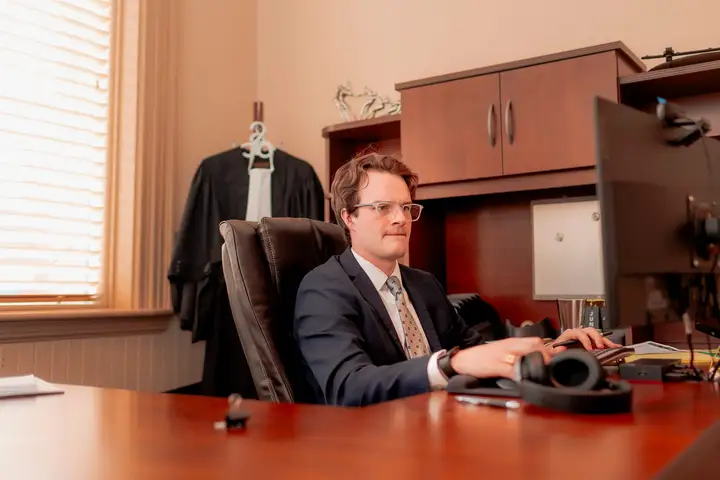
A refusal charge in New Brunswick is laid at the roadside or at the station, the moment a driver fails or refuses a breath demand. The licence goes the same night under the Motor Vehicle Act, and the criminal charge follows in Provincial Court. A New Brunswick refusal charge lawyer defends the s. 320.15 charge and manages the suspension that arrived with it.
The Demands New Brunswick Police Can Make
Since 2018, an officer with an approved screening device can demand a roadside sample from any lawfully stopped driver, with no suspicion needed. Section 320.27 of the Criminal Code sets out the roadside powers, and section 320.28 covers the station demands for samples on the approved instrument, a drug recognition evaluation or blood. Failing or refusing to comply with any of them, without a reasonable excuse, is the offence under section 320.15. Whether the driver had anything to drink is irrelevant to the charge.
The Penalties Start at a $2,000 Fine and a One-Year Prohibition
A first refusal conviction carries a minimum fine of $2,000 and a driving prohibition of at least one year. That is double the $1,000 minimum for a first impaired conviction, which removes any advantage in refusing. A second conviction carries a minimum of thirty days in jail. The offence is hybrid, with a maximum of two years less a day on summary conviction and ten years on indictment, and a conviction brings a criminal record, years of high-risk insurance and trouble at the American border.
The Motor Vehicle Act Suspends the Licence Before Any Trial
New Brunswick treats a refusal at the roadside like a failed test. The administrative suspension under the Motor Vehicle Act begins immediately, months before the charge is heard. After a conviction, the province’s ignition interlock program can return a driver to the road with the device installed before the prohibition ends, and its eligibility rules for refusal convictions are reviewed with counsel before any plea decision.
What Happens After the Charge
After release you get a first appearance date in Provincial Court. Disclosure follows: the officer’s notes, the wording of the demand, the video and the device or instrument data. Election and plea come only after that material has been reviewed. The administrative suspension runs on its own clock in the meantime, which is why the licence questions get answered in the first meeting, not after a trial date is set.
The Defences a New Brunswick Refusal Charge Lawyer Runs
The Crown must prove a lawful demand, a clear communication of it and a deliberate failure or refusal. A screening demand requires a device at hand. An evidentiary demand requires reasonable grounds. A driver with asthma, COPD or a chest injury who tried to blow has a reasonable excuse to establish with medical records. A driver who refused in confusion and offered to comply minutes later has an argument the video will settle. The right to counsel under s. 10(b) of the Charter applies before the station demand, and whether police honoured it is checked against the booking-room video in every file.
The Provincial Court of New Brunswick Tries the Charge
Refusal charges are tried in the Provincial Court of New Brunswick, in Moncton, Saint John, Fredericton or the local circuit court. The New Brunswick Legal Aid Services Commission covers criminal charges for those who qualify. The Moncton office and the Saint John office both defend these files, alongside the DUI practice they sit next to. The joint page for both provinces is at refusal charge defence, and the contact page reaches the nearest office before the first appearance.
The Screening Device Rejected My Samples. Is That a Refusal?
Not automatically. A failure must be proved as deliberate. Mouthpiece problems, short blows recorded by the device and the quality of the officer’s instructions all show in the video and the device data, and a genuine effort is a defence.
Can I Take Back a Refusal?
Sometimes. A refusal followed quickly by an unequivocal offer to comply, while the test was still available, is treated differently from a refusal maintained until the equipment was packed away. Timing decides it, so tell your lawyer exactly what was said and when.
Will an Old Impaired Conviction Raise the Minimum?
Yes. Earlier convictions under sections 320.14 and 320.15 count toward the minimums, so a driver with a prior impaired conviction faces the thirty-day minimum jail term on a refusal conviction.
New Brunswick Refusal Charge Lawyers, in Short
- Regime
- Criminal Code s. 320.15 (failure or refusal to comply with a lawful demand): a two thousand dollar minimum fine on a first offence, double the thousand dollar minimum for a first conviction over the legal limit, and a federal driving prohibition under s. 320.24
- Court
- Provincial Court of New Brunswick for most charges; Court of King's Bench of New Brunswick, Trial Division, for an indictable charge tried by judge alone or jury